The game plays every note itself
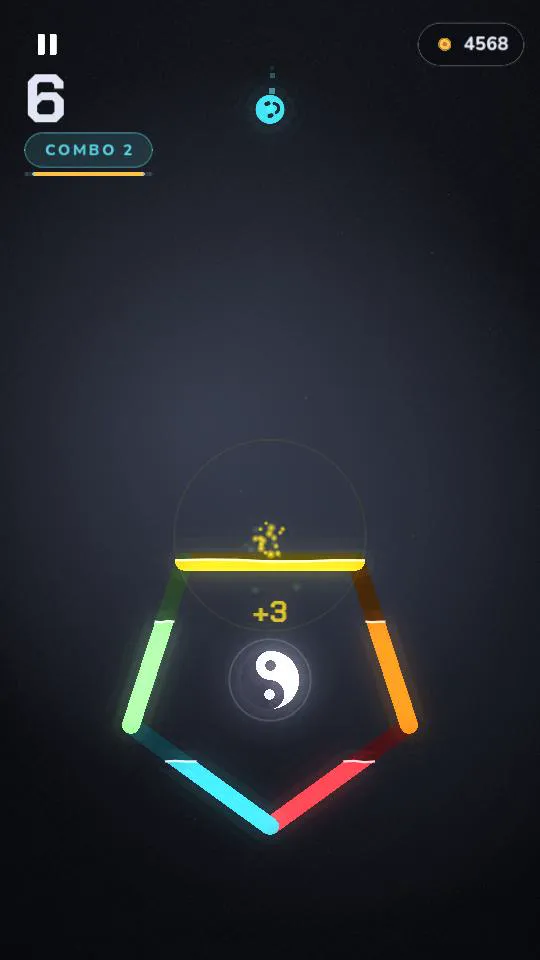
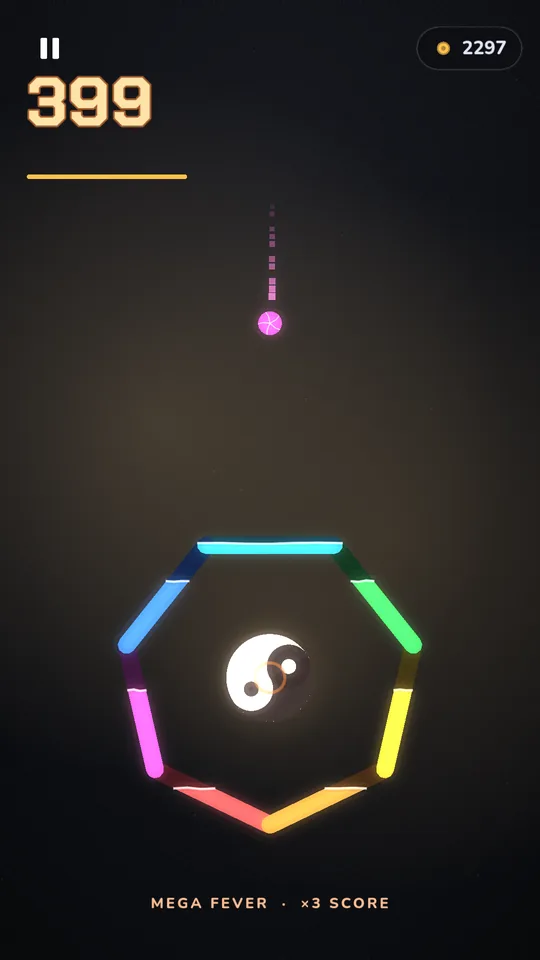
No audio files ship with PolyBall. There is a synthesiser instead: sixteen additive voices with physically modelled partials, colour mapped to chord degree across an eight-bar progression, and bass, arpeggio and lead performed note by note on a swung grid. That is why the soundtrack can only be the run you just played.
One person cannot test six platforms by hand
So nobody does. Continuous integration builds macOS, the iOS simulator, an iOS device, Linux, Web and Windows from one run, and gameplay bots play twenty-four runs a pass with deliberate mistakes injected, so the economy numbers that come out the other end look like a real player's rather than a perfect one's.
The difficulty curve came from real thumbs
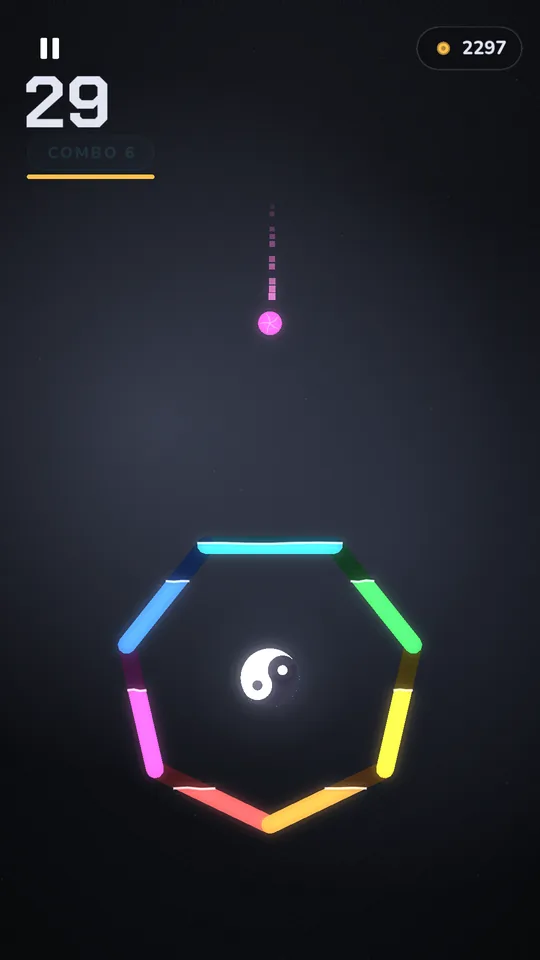
Opt-in telemetry records each move as a line of JSON under an anonymous rotating install id, partial runs included. That data re-derived the curve as a reaction budget instead of a guess, which removed the deaths that were caused by an impossible deadline rather than a mistake, all the way from three sides up to sixty-three.
It plays in Arabic the way Arabic reads
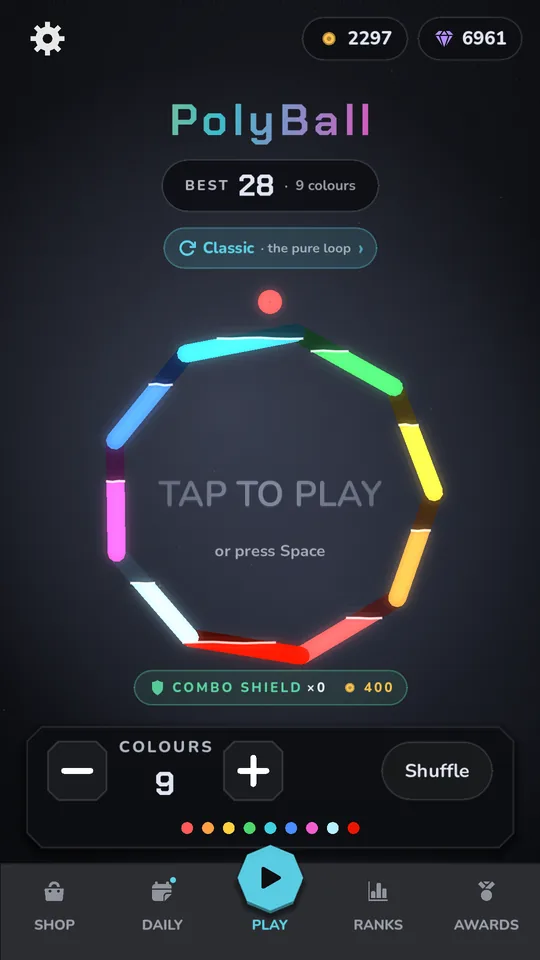
Fifteen locales, including Modern Standard and Egyptian Arabic, with right-to-left layout and bidirectional share text both covered by automated tests rather than a spot check before release.
The browser build was silent on every phone
And nobody had noticed. Creating an audio bus at runtime disconnects the master bus from the speakers on the web export, which is an engine bug, not a game one. The fix was to stop creating buses after boot. On top of that, iOS mutes web audio when the physical ringer switch is off, so the shell now nudges the context back awake. Both were found by a check that measures the real signal reaching the output, because counting buffers had said everything was fine.